
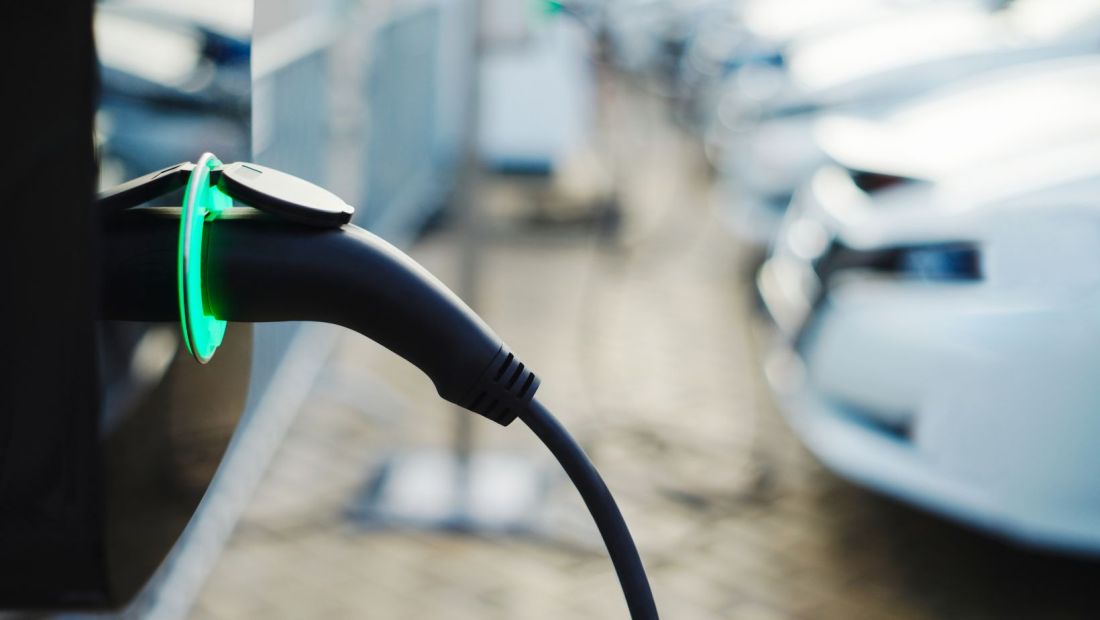
How much does it cost to charge an electric car in public?
Those who hoped an electric car would be cheap to run will be worried to hear that prices for charging at public points have risen sharply recently.
Supermarkets and other venues that used to offer charging for free are increasingly imposing charges, while paid-for charging points are hiking prices to counter the massive increase in electricity costs caused by the energy crisis.
The RAC says the price of recharging an average family-size car at public points has risen by 42 per cent since the spring. On average, this cost is now more than £32, a whopping £9.60 higher than in May 2022.
The good news is there are various ways to minimise these day-to-day costs if you act smart about this.
Tips for using public-charging points
Download an app
Most public-charging networks require you to download an app before you can access their chargers.
If you’re planning a journey with charging points en route, download the app(s) at home before you set off, where you can guarantee a solid internet connection and have more time to enter fiddly information, such as payment details. This is absolutely no fun in the rain.
Where can you charge your electric car for free?
A month ago, it was pretty easy to find free charging points at places such as supermarkets. Now, they are becoming an endangered species, as the price of electricity prompts the networks to start imposing charges.
There are still some free public charging points available, but they are much rarer than before, and so are likely to be busier. Zap-map.com allows you to filter on price, so you can find the free charging points in your area.
Free charging points tend to be ‘slow’ or ‘fast’ chargers, not the super-efficient ‘rapid’ or even ‘ultra-rapid’ chargers. Given that it can take more than eight hours to fully charge a Renault Zoe on a slow charger, and almost three hours to fully charge using a fast charger, you’re unlikely to get a full battery charge while you complete the weekly shop.
That’s not to say the free public-charging points are worthless, far from it, but unless you live right next to a charger, they are more useful for quick top-ups rather than full charges.
Tips for using public-charging points
Download an app
Most public-charging networks require you to download an app before you can access their chargers.
If you’re planning a journey with charging points en route, download the app(s) at home before you set off, where you can guarantee a solid internet connection and have more time to enter fiddly information, such as payment details. This is absolutely no fun in the rain.
Plan ahead to save money
There’s no need to pay these premium prices for ultra-rapid charging if you are careful. The secret is simply to plan ahead wherever possible and try to understand all of the local options.
Don’t leave your charging cables at home
Many public points require you to bring your own cables. It might be worth having two sets – one for home use and one left permanently in the boot for public recharging.
Know your own car’s charging limits
Not all electric cars are compatible with rapid or ultra-rapid chargers. You won’t damage the car by using a charger that exceeds the capacity of your battery and you’ll still charge the car. But you might well pay more for a rapid charge that your car cannot actually take full advantage of.