
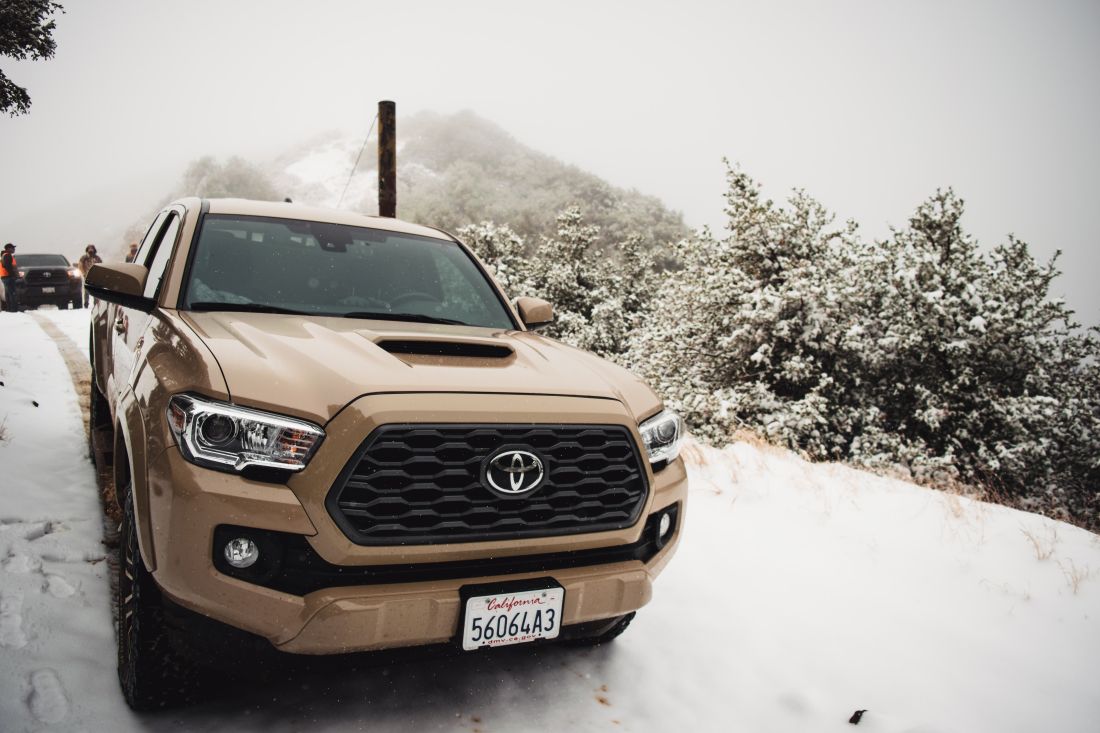
5 Reasons for Winter Breakdowns and What You Should Be Doing to Avoid Them
You wake up on a Monday. Christmas is just around the corner, but it’s not quite here yet. It’s a new week, the frivolities of the weekend are in your rear-view mirror and it’s time to get back to business.
You’re spared the cold outside because you set the timer on the central heating to start before you wake up. Good thinking.
You wrap up warm before you head outside – coat, gloves, scarf, woolly hat. You know you’ll need these; the weather is bitter, and you need to keep yourself warm and protected. Good thinking again.
You reach your car, de-ice the windshield, get inside, crank the heating up and you’re ready to start the day… except when you turn the key, the car won’t start. You forgot about your car – it doesn’t like cold weather either.
If you want this scenario to remain fiction and not become your reality this Winter, read on for our top 5 reasons for Winter breakdowns and what you should be doing to avoid them.
1. Flat Batteries
The number one cause of issues trying to start your car is a flat battery. This problem becomes even worse when the cold weather sets in and breakdowns for flat batteries increase even more. This is due to the adverse effect the cold weather has on a car battery.
The battery’s ability to transfer full power is diminished as the cold weather disrupts the chemical processes which are required for it to work. The way we use our cars in Winter also takes a toll – running more power-draining systems while in the car such as heating, lights, and windscreen wipers, and having periodic breaks of not using our cars at all such as over the Christmas period.
To give your car battery the best chance of making it through the winter without an issue, protect it from the cold. If you have a garage, store your car in it to keep the battery insulated.
Take steps to conserve your batteries power by making sure you’ve switched off any function or device which draws power from the battery before you turn off the engine, both internal to the car and externally connected. The same is true for before switching the engine on, make sure nothing is drawing power from the battery until the car is running. Don’t switch on any lights or turn on your heated seats and don’t connect your phone.
If your battery is over three years old, it’s going to need a little extra TLC. If you use your car regularly, don’t let it go unloved during cold periods and make sure it’s charged at least once a week.
A useful investment for the Winter months is a battery booster. This will make sure you’re covered if the worst does happen, and you find yourself with a flat battery. It’s quicker and simpler than using jump leads and saves the need for a dreaded call to your breakdown service provider. We would recommend these for any Penrith used cars and beyond.

2. Tired Tyres
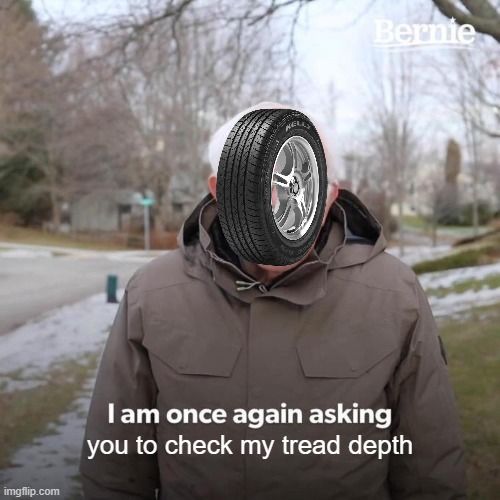
Tyre tread is an issue you should always have one eye on, regardless of the time of year. The legal limit for tyre tread depth is 1.6mm in the UK, however, we strongly recommend replacing your tyres before they reach this limit. Tyres with poor tread depth are a road hazard, as your car won’t be able to grip the road efficiently, increasing the chance of losses of control.
This is never more critical than over the Winter months, where icy road conditions compound the issue, seriously affecting your cars tyre’s ability to maintain control on the road. Heavy rain and snow will have similar debilitating effects. It is recommended that you consider changing your car tyres once they reach a tread depth of 3mm. This should be a priority once the conditions turn, as a matter of your and other drivers’ safety when on the road.
Tyre tread, however, isn’t the only issue to be aware of. Regularly inflate your tyres to their correct pressure to ensure your car is handling to the best of its ability, as well as paying attention to other abnormalities such as bulges and cracks. These are an early warning sign of a likely failure of the tyre and should be checked out by an expert before they are used on the road again.
3. Check your Coolant
The cooling system in your car is critical for keeping your engine at a healthy temperature and preventing overheating, however, when the temperature outside plummets the possibility arises for the water in the cooling system itself to freeze, which will seriously damage your car. Checking the coolant levels on a regular basis over Winter is a small task that will help to avoid a big problem.
If the coolant level is not as it should be, top it up with the correct type of coolant for your car. In general, this should be diluted with water at approximately a 50/50 ratio, however, in Winter this should be amended to 60/40 favouring the coolant. In a particularly icy cold snap, 70/30 favouring the coolant will keep things running smoothly.
4. Malfunctioning Mechanics
There are several mechanisms in your car you will regularly use that are sensitive to the cold and may cause you an unexpected issue if you don’t treat them with a little bit more care, particularly on icy mornings.
Instead of opening your windows as soon as you set off, give your car time to warm up and melt any ice which may have formed, freezing the windows in the frames. If you don’t, you risk breaking the mechanism within the windows, putting them out of action.
Handles and locks may freeze and become stuck or non-functional. A splash of WD-40 will melt the ice inside and get them working as required again quickly. Similarly, the rubber seals around doors and the boot can freeze – prevent this by applying Vaseline pre-emptively.

5. Pay Attention!
Your car’s engine is always trying to tell you something, all you need to do is listen closely and you’ll hear it. You don’t have to be an engine whisperer to work out what it’s trying to say.
The sound of the engine will always be an indicator of its health. If your engine is sounding more shrill than usual when you start it, particularly if this is accompanied by smoke or a smell of burning, stop the car. This is likely caused by frozen internal parts such as the water pump or alternator. If you continue to drive under these circumstances the damage may become more severe, resulting in a trip to a garage Penrith.
You should also pay attention to the cleanliness of your vehicle. Adverse weather will result in a faster build-up of dirt, as well as corrosive road salt which can build up quickly and damage sensitive parts of your car, such as windscreen wiper blades which will then need to be replaced. Clean your car regularly in the Winter to avoid this happening.
Keep on top of this list and pay your car that little bit extra attention and you’ll be sure to avoid any unfortunate car troubles or breakdowns this Winter.